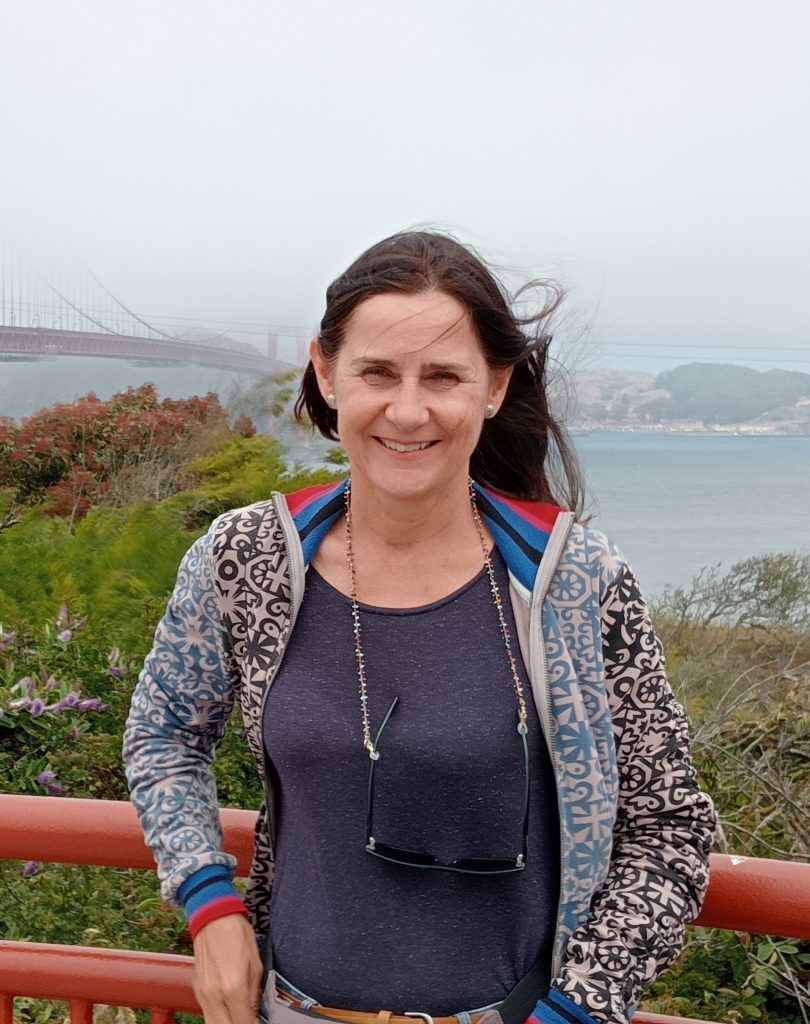
Montserrat Vilà’s is a research professor at Estación Biológica de Doñana (EBD-CSIC) who has served for over a decade as President of the European Working Group on Biological Invasions. She is recognized for her pioneering research on the ecology and impacts of nonnative invasive plant species. Her work has been fundamental in developing risk assessments to help prevent biological invasions. With more than 250 publications in high impact journals and more than 40 book chapters that have received >59000 citations (H = February 2026 2 103) in Google Scholar, she has been among the top 1% of researchers for most cited documents in the Ecology/Environment area (Clarivate Analytics).

Our research focuses on the ecology of biological invasions, especially in Mediterranean ecosystems including islands. In collaboration with a large international network of ecologists we conduct field experiments, extensive field surveys and the analysis of large datasets to improve our understanding on the ecology of non-native species, to develop risk analysis of invasions, and to mitigate their impacts.
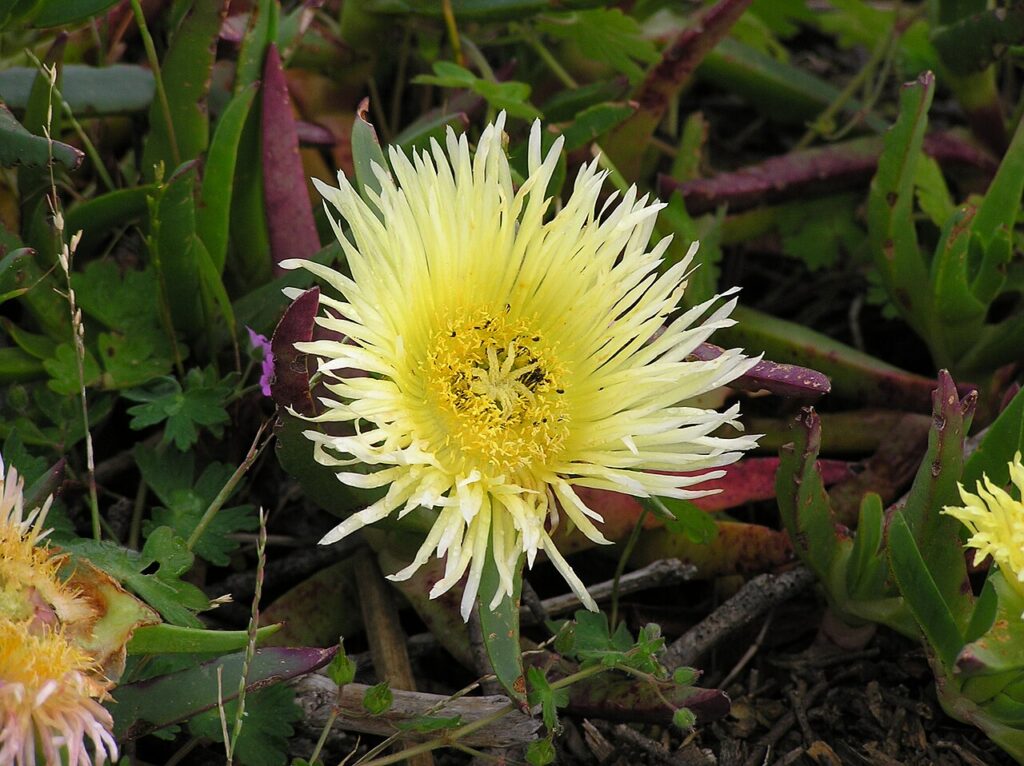
Main areas of study include:
Landscape and environmental factors associated to invasions.
In the context of climatic and land-use change, we analyze landscape and regional characteristics influencing plant invasions as a tool to improve spatially-explicit information on the risk of invasions. We also compare how the distribution and abundance of non-native plants differs between native and introduced areas.
Biotic factors controlling non-native plant establishment.
We mainly focus on the role of plant competition and herbivory, including seed predation, as biological controls of non-native plant species establishment. We also work on non-native plant pollination. We are especially interested on how non-native plants get integrated to the plant-pollinator networks in the receptive communities, and how this can influence pollination of native plants.
Ecological and economic impacts of biological invasions.
Our work contributes to quantify the ecological impacts of biological invasions on biodiversity, ecosystem services and human well-being. We are committed to identify the most impacted habitats and the traits of non-native species conferring major changes in ecosystem services. With this information we develop Impact Risk Assessments for major invaders in Europe.